





Acquiring new customers isn’t cheap.
In fact, studies consistently show that acquiring a new customer can cost 5 to 25 times more than retaining an existing one.
That’s why businesses across industries focus heavily on customer retention. Keeping customers loyal helps increase revenue, reduce marketing costs, and build long-term brand trust.
But even with strong service and marketing, some customers will still cancel.
When that happens, the key question becomes:
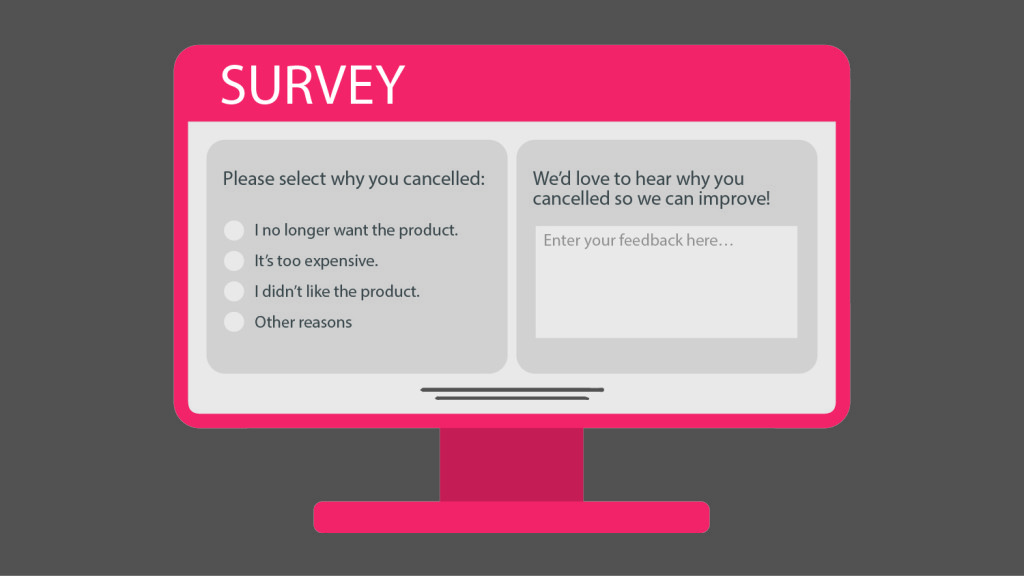
Why did they leave?
Understanding the reason behind customer cancellations is the first step to improving retention and reducing churn.
What is Customer Churn?
Customer churn (also called customer attrition or customer turnover) refers to the percentage of customers who stop doing business with a company over a given period.
In simple terms:
Customer churn = customers who cancel, unsubscribe, or stop purchasing.
For subscription services, SaaS businesses, and recurring services, churn rate is one of the most important performance metrics.
A high churn rate can indicate problems with:
- Customer experience
- Product value
- Pricing
- Customer support
- Competitive pressure
The goal for most businesses is simple:
Keep churn as low as possible while maintaining customer satisfaction.
However, it’s important to remember that some level of churn is completely normal. Very few businesses retain 100% of their customers forever.
Why Do Customers Cancel? Understanding the Two Types of Customer Churn
Customer churn generally falls into two main categories.
1. Incidental Churn
Incidental churn happens when a customer leaves due to circumstances outside the company’s control.
Common examples include:
- Moving to a location outside the service area
- Budget constraints or financial hardship
- Business closure or restructuring
- Changes in personal needs
These cancellations are often difficult or impossible to prevent.
2. Deliberate Churn
Deliberate churn occurs when customers actively decide to leave because they are unhappy or dissatisfied.
Common reasons include:
- A competitor offers a better price
- Poor customer service
- The product doesn’t deliver expected value
- The service experience is frustrating
- The company over-promised and under-delivered
Deliberate churn is where businesses have the greatest opportunity to improve.
Understanding these triggers can help companies adjust their products, services, and customer experience strategies.
Common Customer Churn Triggers
Customers who cancel deliberately often share similar feedback.
You may hear comments such as:
- “I found a better deal elsewhere.”
- “The service didn’t meet my expectations.”
- “It’s too expensive for what I get.”
- “Customer support wasn’t helpful.”
- “The product wasn’t easy to use.”
These responses usually point to a gap between customer expectations and actual experience.
Reducing churn often means improving:
- Customer onboarding
- Service delivery
- Product usability
- Customer support
- Value perception
How to Predict Customer Churn
Many businesses invest in advanced analytics tools to predict churn using:
- Predictive modelling
- Behaviour tracking
- Data forecasting
- AI-powered analytics
While these tools can be powerful, there is also a simpler and more accessible starting point.
Experience Your Business Like a Customer
One of the most effective ways to identify churn risks is to become your own customer.
Sign up for your service and go through the entire customer journey.
Ask yourself:
- Is the onboarding process clear?
- Are instructions easy to follow?
- Is customer support responsive?
- Are there confusing steps in the process?
- Does the experience match the promises made in marketing?
By experiencing your service firsthand, you can quickly identify friction points that may cause customers to leave.
Ask Customers the Right Questions
Another powerful way to understand churn is by asking your customers directly.
Customer feedback helps reveal what is working and what needs improvement.
Conduct Customer Satisfaction Surveys
Regular surveys allow businesses to measure satisfaction and